Linfield’s 53rd Lū’au and Hō’ike brought families, students and alumni together on April 18, for a night of celebrating Hawaiian and Polynesian culture. As one of the university’s most cherished student-led traditions, the event honored cultural practices and knowledge passed down through generations of dance, storytelling and music. The event highlights the dedication and substantial work from student leaders and participants who shape the celebration into a meaningful experience for the community.
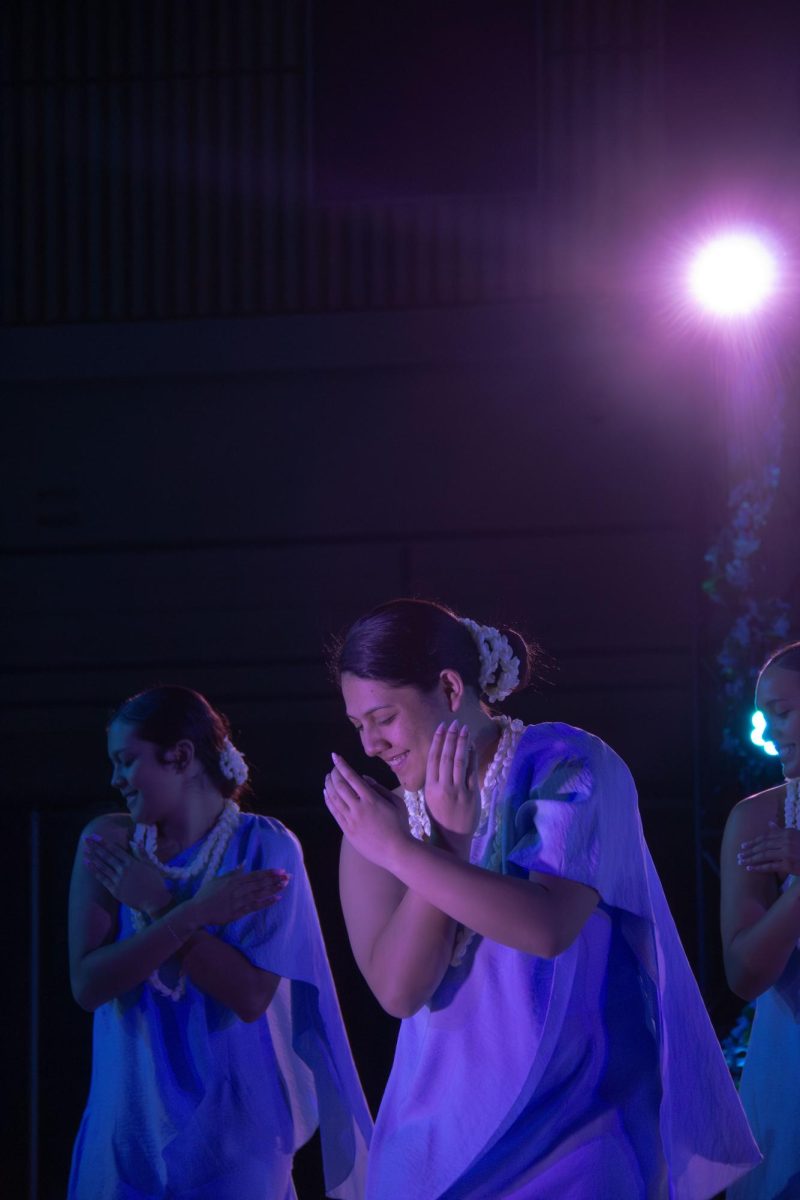
Once the performance began, the energy shifted the moment the members of Lū’au and Hō’ike took stage and brought traditions to life. Dancers moved through powerful and graceful performances of Hula Kahiko, Hula ‘Auna, Siva, Sāsā, ‘Ori Tahiti and Māori. Each dance carries its own story and movements grounded in cultural rootedness and lineage.
“Each dance tells a story and reflects different parts of the Polynesian Islands and its culture, whether that be history, tradition or values. It’s not just about performing, it ‘s about honoring the different Polynesian cultures, where we come from and sharing that with others,” junior business management major Shyson Cachuela said.
Beyond the performances themselves, students emphasized the months of preparation that goes into this memorable night. Members of Hui O Lōkahi and the Lū’au committee
devote significant time and energy to make the event come to life as they honor their culture. The Lū’au and Hō’ike carry forward traditions and heritage that hold cultural depth.
“The dances bring honor to the pacific islander culture by performing properly and them right. They each are a different style of dance meant to tell a story and I believe that is exactly what we did that night,” said freshman Nohilani Kukonu.
The audience responded with enthusiasm throughout the night; cheering as each of the performers took the stage for each dance and falling quiet during moments of cultural significance. Families recorded their loved ones with pride, alumni cheered loudly for the performers and students showed their support for their friends and fellow classmates.
“There is something about the crowd cheering and engaging with all of the different dances, it really gives us more energy and drive on stage,” said Cachuela. “It made everything feel more alive and helped us perform with more confidence and intensity.”
For students who spent months preparing, seeing the audience respond with such warmth and appreciation made the long hours special. The Lū’au serves as a moment to share cultural roots and pass traditions forward.
“The audience’s energy really helped me the day of the Lū’au because it gave me something for me to feed off of. It also made me feel loved because there were so many people involved to help make the Lū’au possible,” said Kukonu.
The Lū’au and Hō’ike is a celebration of cultural heritage, student leadership and community connection showcasing how tradition continues to strive when it is shared with intention and pride.
While the performance captivated the audience, the heart of the Lū’au and Hō’ike lies within the goals that shape it each year. Strengthening the community and creating a space where Pacific Islander students can share their heritage, authenticity and honor. Planning this event, junior journalism and media studies major and co-chair of the committee, Paige Pa’aluhi, describes the main element “wanting to create a huge family aspect” throughout the process of building this performance.
“Throughout the years of being in the Lū’au and Hō’ike, a lot of students would say ‘this is too serious’ or ‘this isn’t fun.’ And this year we really wanted to focus on that and stray away from that ‘norm’ because we wanted people to enjoy the culture and enjoy dancing,” Pa’aluhi said.
That perspective echoed the commitment students possessed through months of preparation and what it represents beyond the performances.
“It was also to let others learn about our culture and to tell our story,” said Kukonu.
Beyond the choreography and celebration where cultural identity, community, and tradition come together, for many students, it is a chance to honor their roots, represent their families and share the stories held through each dance. The meaning of night lives in the joy and cultural continuity that transforms the event every year.
“It shows how strong the tradition is and how much it continues to matter over time . It is a way for people to feel seen, represented and proud of their culture. At the same time, it opens the door for others to learn and experience something new. It really builds connection and understanding across the community,” said Cachuela.
Sentiments like this capture the heart of what the Lū’au and Hō’ike represents.
“This event means so much to the community. We get to share our beautiful culture here in Oregon, and it is a beautiful thing to see,” said Pa’aluhi. “This is my family. Because of my culture, I have met people here on campus that I will forever cherish. I am incredibly grateful for Lū’au and my culture.”