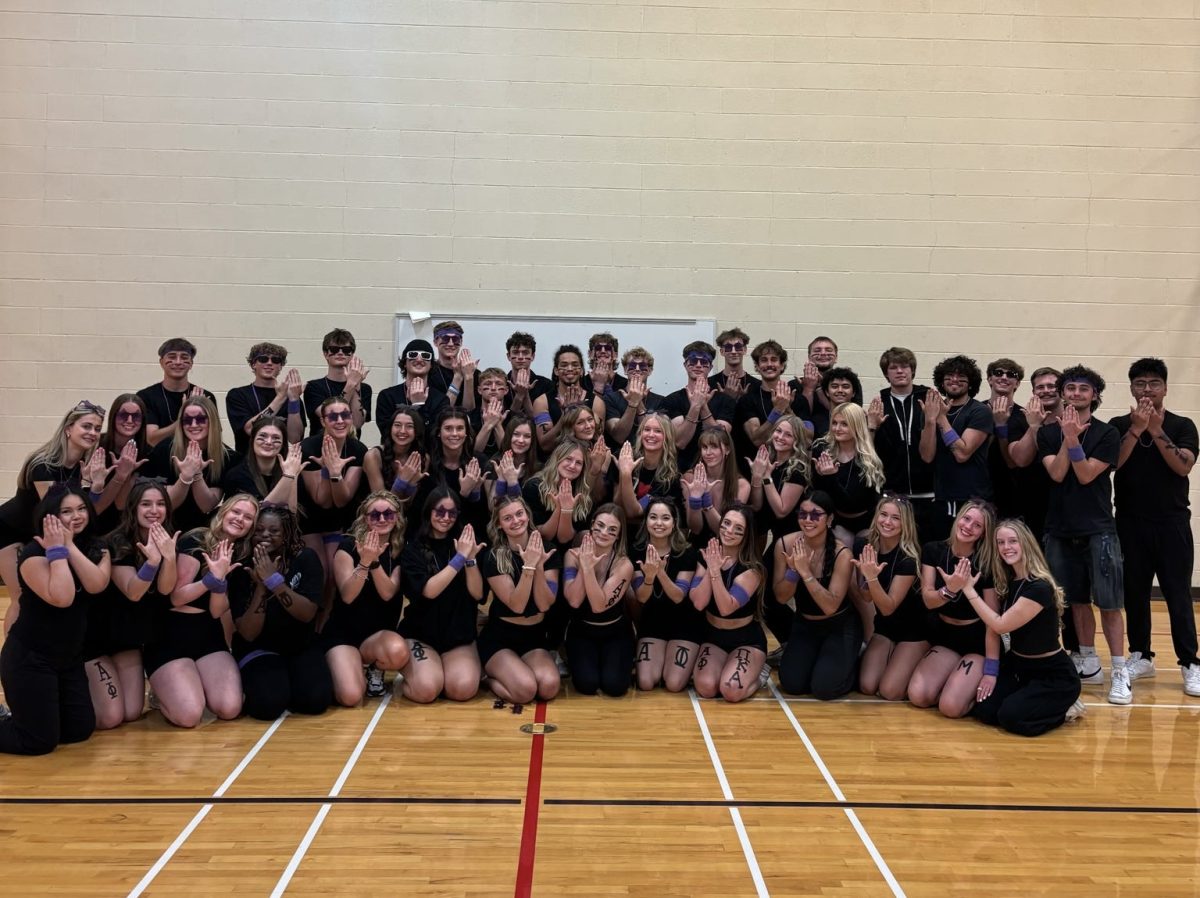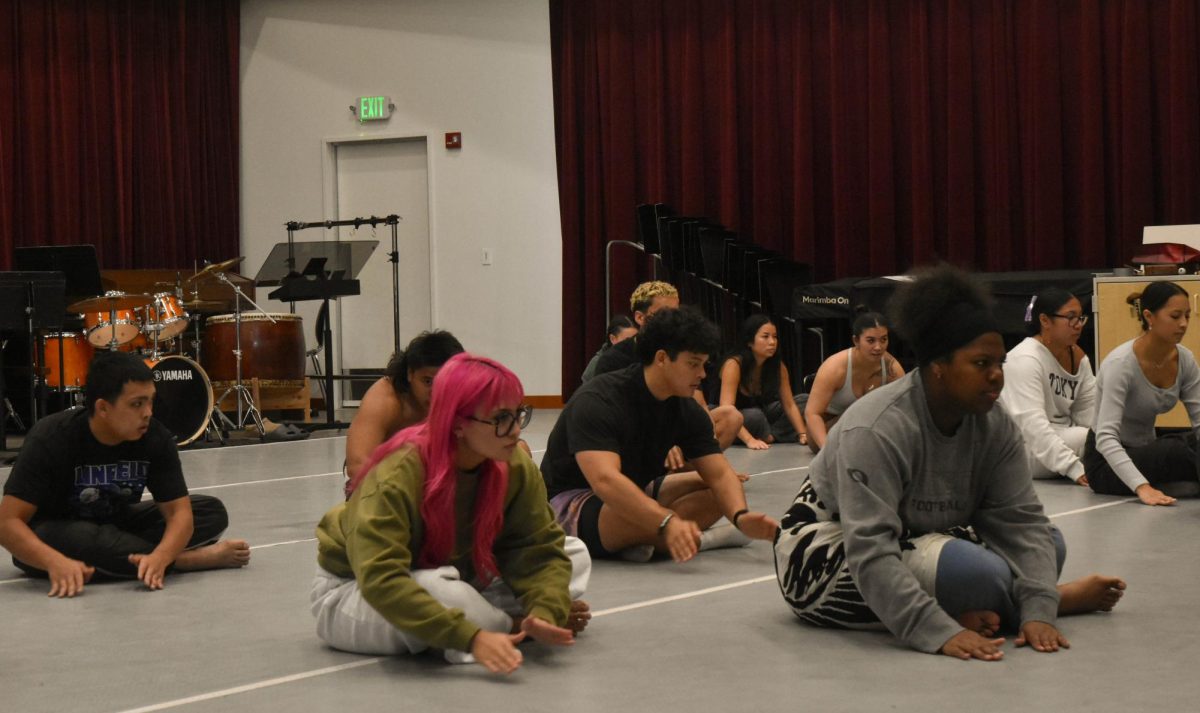
Linfield’s Hui o Lōkahi Club, or Pacific Islander Club, has been working hard to prepare for the Lū’au at the end of the semester. They are preparing around 10 dances, and each dance requires at least two hour long practices per week. Some dances are open ‘Auanas, which are directed at beginners, and some are closed ‘Auanas, which are more challenging and require more dance experience. Being in the club and being from Hawaii or another pacific island are not requirements for participation.
Different polynesian islands are represented in the dances, including Hawaii, with a traditional hula Kahiko, Samoa and Tahiti.
Heather Nakatsukasa, junior biology, psychology and philosophy major with a minor in neuroscience, participates in six of these dances. She attends rehearsals multiple times a week, often for multiple hours a day. She participates in Sasa, Tahitian, Siva and a closed hula dance. Sasa is a beginner-friendly Samoan dance that involves rhythmic clapping, and is performed sitting on the ground, Tahitian is a dance that involves hip movement and Siva is a slower paced, storytelling dance.
“It’s just a lot of preparation,” Nakatsukasu said. “Our people are working really hard.”
Many participants came to Linfield with some Polynesian dance experience. For example, some members of the group are part of a hālau, or dance group, in their hometowns. Nakatsukasu is not part of a hālau, but she learned traditional dances when she went to school in Hawaii.
Sharing and maintaining Hawaiian and Polynesian culture is an important part of the Hui o Lōkahi club and the lū’au prep for Nakatsukasu and many others.
“I do think it’s a really important culture in general for all of us, and dance is a part of that culture, it’s one of the traditions and it’s a way of storytelling,” Nakatsukasu said. “So, all of these songs are talking about the beauty of Hawaii, and we had some love songs before…and it’s telling stories that are important to us as Hawaiians, and most of these songs being in Hawaiian means a lot to me personally.”
The sharing of cultures and traditions is something that’s near universally valued, but it can be particularly vital when it comes to cultures that are under threat, such as those that have been the victims of colonization. Hawaii, for instance, existed as a sovereign kingdom in the 19th century before being overthrown and later annexed by the US. Soon after, many elements of Hawaiian culture were banned, such as the language and many of the dances that Linfield’s Hui o Lōkahi club is helping to keep alive, the state became a hub for sugar plantations. Now, its economy is based primarily on tourism, which hurts many native Hawaiians.
“Being such a popular tourism spot…everyone wants to go to Hawaii and I can’t blame them,” Nakatsukasu said. “But everyone wants to go to Hawaii, so prices are so high, my family’s definitely struggling to live out there right now.”
Despite these struggles, the community is persevering, and the 53rd annual Lū’au and Hō’ike is a part of that resilience. It will take place on Apr. 18 in the HHPA lower gym.